Outside drain blocked? How to clear it
After a rain shower, there's a puddle around the drain on your patio, or the water remains on the driveway. An outdoor drain, also called a gully or garden drain, often becomes blocked by leaves, sand and silt. Usually you can remedy this yourself with a bucket, a small shovel and some patience. If the water still remains afterwards, the problem is deeper. Here you can read how to recognise the difference.
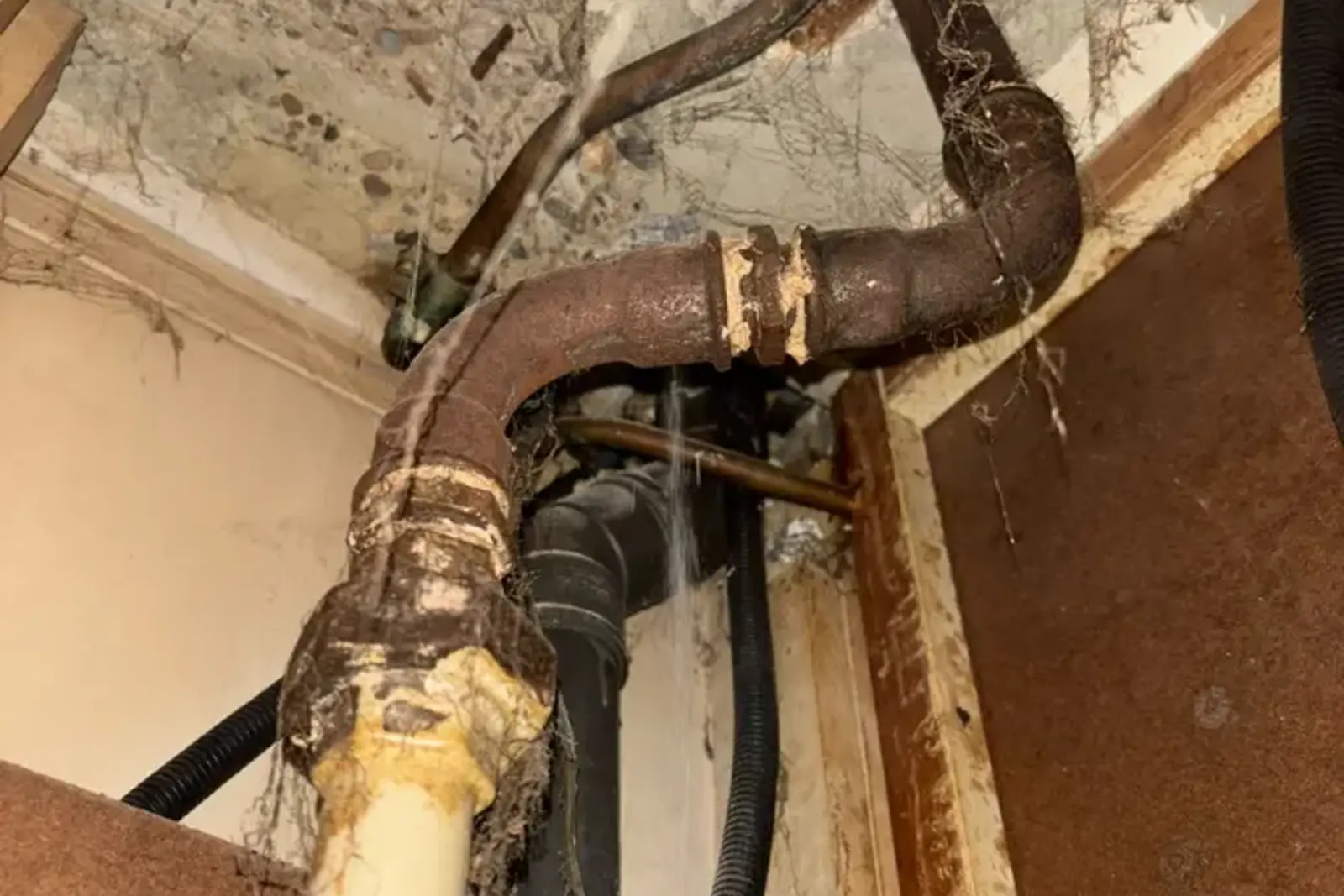
An outdoor drain collects rainwater from your garden, patio, driveway or sometimes from a downpipe that feeds into it. Below the grating there's usually a chamber with a silt trap: a space where sand and dirt can settle before the water enters the pipe. Many drains also have an odour trap, which prevents sewer gases from rising. This design works well, as long as the silt trap doesn't fill up.
How does an outside drain get blocked?
- Leaves and garden waste. Leaves, mown grass and blossom blow onto the grating and fall through.
- Sand and silt. From joints between tiles, from planters or from the driveway, sand washes along. That slowly fills the sand trap.
- Soil after garden work. After laying out or digging over the garden, a lot of soil can end up in the drain in a short time.
- Dirt in the trap. If the silt gets so high that it blocks the trap, hardly any water flows through.
- A problem in the pipe or sewer. If the gully itself is clean but still doesn't drain, the blockage is in the pipe behind it, for example due to subsidence, roots or dirt further along.
Signs that the gully needs attention
- After a shower, a puddle remains around the grating for a long time.
- The water does drain away, but very slowly.
- You smell a sewer odour near the drain, especially in warm weather.
- The grating is blocked with leaves or mud.
- During heavy rain, water comes up out of the drain instead of going in.
Step-by-step guide: cleaning an outside drain
- Prepare yourself. Put on work gloves and get a bucket, a small scoop or garden trowel and a garden hose ready. An old spoon or filling knife is handy for the corners.
- Clear the grating. Remove leaves and debris from the grating. Lift the grating out; if it's stuck, carefully lever it with a screwdriver. Clean it with a brush.
- Remove the trap or inner basket. Many drains have a removable part. Carefully lift it out and rinse it clean. Note how it was positioned so you can replace it correctly.
- Empty the silt trap. Scoop the sand and silt out of the trap into the bucket by hand or with a small scoop. Often this is more than you expect: half a bucket or a full bucket is not unusual.
- Rinse. Flush the basin and the opening to the pipe with the garden hose. Check that the water drains away freely.
- Put everything back. Replace the trap and the grating as they were. A missing or incorrectly placed trap can cause sewer odours.
The sand and silt from the gully should not go back into the sewer. Dispose of it with garden waste or residual waste, depending on what's in it and what your municipality requires.
Does the water remain standing? Then the blockage is deeper
If the gully is completely clean and the water still doesn't drain away, the blockage is in the pipe behind the gully or in the sewer to which it is connected. You'll also notice this if:
- several drains around the house are all draining poorly at the same time;
- indoor drains run slowly or the toilet gurgles;
- the problem returns shortly afterwards, even after cleaning.
You can then try using a hand-held drain snake in the outlet opening of the drain. First read our article on DIY unblocking with a snake or high-pressure so you know what is and isn't sensible. If that doesn't work, it's time for a tradesman. On the unblocking outdoor drains page you can read how we clear a drain and the pipe behind it. If the blockage keeps returning, a sewer camera inspection will show whether there's subsidence, a break or root ingress.
Drain with a downpipe on it
In many places, a downpipe feeds into a drain in the garden or by the wall. During a shower, a lot of water then arrives in a short time, with leaves, moss and roof grit in it. Such a drain fills up faster than a drain that only collects water from paving. Also check the cleaning access at the bottom of the downpipe: if there's a lot of debris there, it will keep washing into the drain.
What you'd better not do
- Don't use chemical unblockers. They don't help against sand and silt, and the product ends up in the sewer or soil.
- Do not spray deep into the pipe with a pressure washer without knowing how the pipe runs. You can push dirt further in or damage old pipes.
- Do not flush the silt into the pipe. If you rinse out the silt trap instead of scooping it out, you are only moving the blockage.
- Do not cover or seal the drain to hide the problem. The water will then find another route, for example towards your façade or cellar.
How to prevent a blocked gully
- Clear the grating regularly, especially in autumn.
- Empty the silt trap a few times a year, and always after major garden work.
- It is better to sweep up sand and soil than to spray it towards the drain with water.
- Keep planters and borders slightly away from the gully, so that no soil washes in.
- If a downpipe drains into the gully, keep that clean too. See blocked downpipe.
When should you call us?
- The drain is clean, but the water remains standing or drains away very slowly.
- Several drains around the house are all draining poorly at the same time.
- Indoors, drains are also slow or the toilet is gurgling.
- The drain gets blocked again within a short time.
- Water is threatening to run towards the façade, cellar or crawl space.
Call PandFix on 070 783 0224. For emergencies we're available 24/7; more about emergencies.
Not sure who is responsible for the pipe behind your drain, for example in a rental property? Then read sewer blocked: who pays? More general information can be found on our page about drain unblocking.
Related services
Need help? View the related service or call us directly.
Unblock drain pit
Drain in garden, patio or cellar overflowing? We clear the drain and the pipe behind it.
More infoSewer Camera Inspection
We inspect your drain with a camera and see where and why it's blocked.
More infoDrain Unblocking & Sewer
Blocked drain, toilet or sewer? We unblock mechanically and investigate the cause if it recurs.
More infoGood to know
Short answers to questions we're often asked.
That depends on the location. With trees or a sandy garden that may be needed a few times a year, elsewhere less often. In any case, check after autumn and after major garden work.
The silt trap is the chamber below the grating where sand and dirt can settle before the water enters the pipe. If it fills up, the drain overflows. You can empty it with a small shovel.
Not always. A missing or dried-out trap seal can also cause sewer odour. Check that the trap is seated properly. If it still smells, read our article about sewer odour in the house or have it checked.
A short hand snake in the outgoing opening can help with a blockage just behind the drain. Don't force anything. If the blockage is further away, you need professional equipment.
Need help in The Hague or the Randstad?
Feel free to call us for advice or an appointment. In emergencies we're available 24/7.