Drain unblockers: what really works?
Supermarket and DIY-store shelves are full of products claiming to clear a blocked drain. Online you'll also find dozens of home remedies. Which of them actually work, which are mostly foam and which are downright dangerous? Below we compare the best-known products honestly, without brand names.
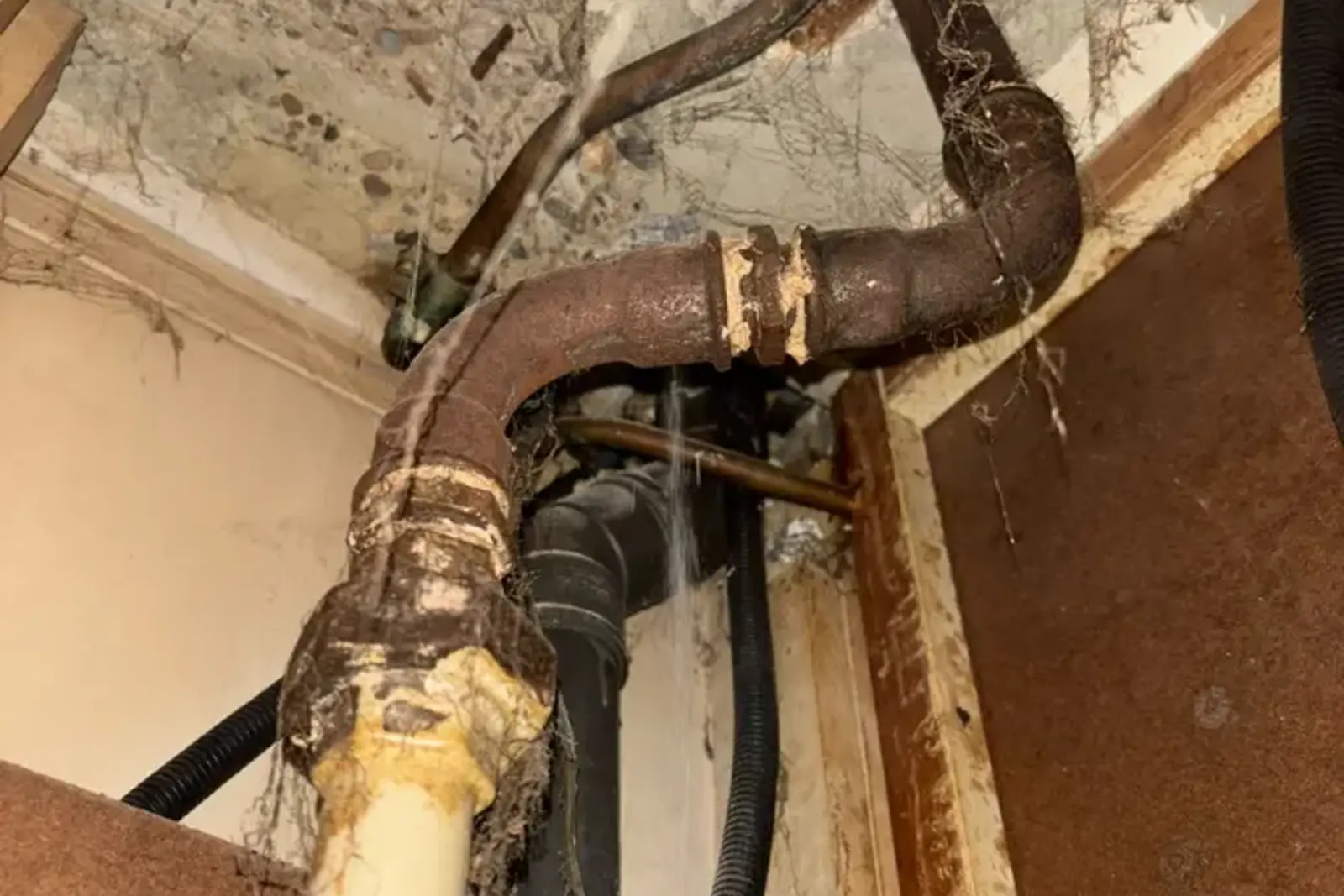
To understand why one product works and another doesn't, it helps to know what a blockage actually is. In the kitchen it's usually a layer of grease with food residue. In the bathroom it's mainly hair stuck in soap residue. In the toilet it's often a wad of paper, wet wipes or something that doesn't belong there. A product that dissolves grease does little against a wad of wipes. And a product that only foams doesn't dissolve either.
Hot water
Hot water is the simplest remedy and often a good first step for a kitchen drain that's running slowly. Warm water liquefies grease so it can flush through. Pour it down the drain in a few batches, optionally with a dash of washing-up liquid.
- Works for: light grease build-up in the kitchen.
- Does not work on: hair, wipes, a complete blockage.
- Please note: do not use boiling water on PVC pipes. Most drains in the home are made of PVC, and boiling water can deform the material and glued joints over time. With a toilet, boiling water can also cause the porcelain bowl to crack. Hot tap water or water that has cooled slightly is safer.
Soda
Soda (sodium carbonate) is an old household remedy that helps dissolve grease. A few tablespoons of soda with hot water down the drain, leave to work for a moment and rinse, can get a greasy kitchen drain flowing again. Soda is mild compared to chemical unblockers, but it is an irritant: wear gloves and keep it out of your eyes.
- Works for: grease and soap build-up, especially in the kitchen.
- Does not work for: hair clogs or objects in the pipe.
Baking soda with vinegar
This is probably the best-known home remedy. Bicarbonate of soda and vinegar react with each other and produce plenty of fizzy foam. That looks impressive, but the effect on a real blockage is small. The reaction mainly produces carbon dioxide, water and a little salt. A solid clump of hair or grease simply stays put.
As maintenance, to keep a drain fresh, it can't hurt. As a solution for a blocked drain, don't expect too much from it.
Biological or enzyme cleaners
Biological drain cleaners contain enzymes or bacteria that slowly break down organic material such as grease and soap residue. They are less aggressive on pipes and rubbers than chemical unblockers. The word "slowly" is important here: they work in hours to days, not minutes.
- Suitable for: periodic maintenance, to limit build-up in the kitchen or bathroom drain.
- Not suitable for: a drain that's already blocked. A clump of hair or wipes won't be dissolved by it, and in standing water the products can hardly do their job.
Chemical drain unblockers
Chemical drain cleaners come in liquid form, as gel and as granules. They are usually strongly alkaline (based on caustic soda) and sometimes strongly acidic. They can break down hair and grease, but they have serious disadvantages. We do not recommend them for domestic use.
- Corrosive. A splash on the skin or in the eyes can cause burns. If you do use them, always wear gloves and goggles and follow the instructions exactly.
- Never mix. Never use two different drain unblockers one after the other and never mix them with other cleaning products such as bleach or vinegar. This can produce heat, splashing liquid or toxic gas.
- Damage to the installation. They can attack rubber seals, sealant and older pipes. With a granular product, the reaction can also produce heat, which is not good for PVC.
- Often fail to dissolve a real blockage. If the product doesn't work, you're left with a pool of caustic liquid in the drain.
- Danger for whoever comes next. Anyone who unscrews the trap or starts pumping with a plunger after a failed attempt can get the liquid all over themselves. If you have used a product, always tell the technician before he starts.
Plunger
The plunger, or drain unblocker with suction cup, is cheap, safe and surprisingly effective. By alternating pressure and suction a blockage is loosened. It's important that there's a layer of water in the basin and that you cover the overflow or a second drain with a wet cloth, otherwise the pressure escapes. For the toilet there's a plunger with an extra flange that seals better in the bowl.
- Works for: blockages close by in kitchen sink, washbasin, shower or toilet.
- Less effective for: blockages deeper in the pipe or in the sewer.
Cleaning the trap
Not a product, but often the quickest solution for a washbasin or kitchen sink. Most dirt gets caught in the trap, the bend under the basin. With a bucket underneath, unscrew it, remove the dirt and screw it back hand-tight. Then check that nothing is leaking.
Hand snake or drain snake
A hand snake is a flexible coil that you feed into the drain whilst turning. It can loosen a blockage or catch hair on the tip. A hand snake reaches a few metres and is the next step if plunger and trap don't help. Work calmly, turn back and forth when meeting resistance and don't force anything: in bends and with older pipes a snake can cause damage. Read more in unblocking the sewer yourself with high pressure or snake.
High-pressure cleaning by a tradesman
For blockages deeper in the pipe, in the stack or in the sewer, a tradesman uses a mechanical snake or a high-pressure cleaner with a special nozzle. This not only removes the blockage but also the deposits along the inside wall. If a blockage keeps coming back, a camera inspection is sensible to see if something else is going on, such as subsidence or root ingress.
Overview: what works for what?
- Greasy kitchen drain, draining slowly: hot water, soda, then plunger and trap.
- Shower or basin with hair: remove hair from the drain, clean the trap, plunger or hand snake.
- Blocked toilet: plunger with flange, possibly a toilet auger. No chemical products.
- Multiple drains slow at once, or water coming back up: stop unblocking yourself and call in a tradesman.
- Maintenance: strainers, hot water after washing up, optionally an enzyme cleaner.
Not sure whether to continue yourself? Then read blocked drain: DIY or call a plumber.
When should you call us?
- The drain remains blocked after you've tried the plunger, trap and hand-held drain snake.
- There's a chemical unblocker in the drain and the water isn't draining away.
- Several drains in the house are draining slowly or gurgling at the same time.
- Water or waste is coming back up in a shower, drain or toilet.
- The blockage keeps coming back, even after cleaning.
Call PandFix on 070 783 0224. For emergencies we're available 24/7; more about emergencies.
An overview of all types of blockages, by room in the house, can be found on the blockage by room page. And if you want to prevent it happening again, read our tips to prevent blockages.
Related services
Need help? View the related service or call us directly.
Drain Unblocking & Sewer
Blocked drain, toilet or sewer? We unblock mechanically and investigate the cause if it recurs.
More infoUnblock Kitchen Sink
Kitchen drain blocked by grease or food waste? We'll clear the trap and pipe.
More infoSewer Camera Inspection
We inspect your drain with a camera and see where and why it's blocked.
More infoGood to know
Short answers to questions we're often asked.
For most blockages nearby, mechanical unblocking works best: plunger, cleaning the trap or a hand snake. Hot water and soda help with light grease build-up in the kitchen. We do not recommend chemical products.
It foams a lot, but the effect on a real blockage is small. As maintenance it does no harm, but you won't usually clear a blocked drain with it.
Yes. Most products are caustic, can attack rubbers and sealant and must never be mixed with other products. If it doesn't work, there's caustic liquid in the drain, which is dangerous for anyone working on it afterwards.
Preferably not. Most drains are made of PVC, and boiling water can deform the material and joints over time. In a toilet, the porcelain can crack. Use hot tap water.
They are suitable as maintenance, because they slowly break down grease and soap residue. They generally don't clear a drain that is already blocked.
Need help in The Hague or the Randstad?
Feel free to call us for advice or an appointment. In emergencies we're available 24/7.