Preventing blockages: tips per room
Most blockages do not develop overnight. Grease, hair, soap and dirt build up slowly until one day the water stops draining. The good news is that you can prevent a lot with a few regular habits. Below you will find what you can do for each room, a simple checklist and the warning signs when it is better to call a tradesman.
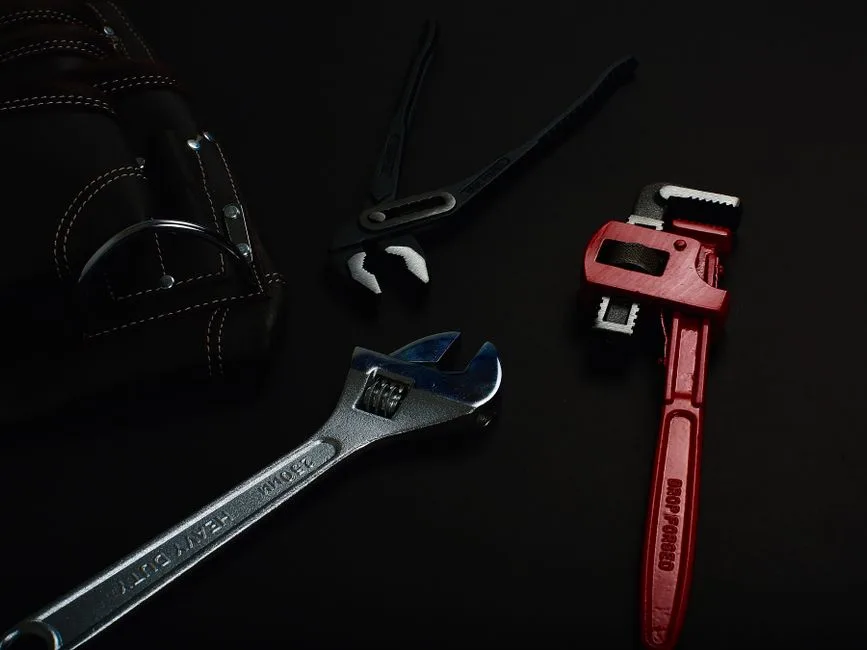
A drain that keeps running smoothly doesn't require much. It's mainly about what you don't let go down it, and the occasional quick check. Each room has its own risks, so we'll go through them one by one.
Kitchen
In the kitchen, grease is the biggest culprit. Warm grease seems harmless because it's liquid, but it cools down in the pipe and adheres to the inner wall. Together with starch, coffee grounds and food scraps, it forms a layer that gets thicker and thicker.
- Never pour cooking or frying grease down the kitchen sink. Let it solidify and dispose of it with general waste, or hand in larger quantities according to your municipality's rules.
- Wipe pans and plates with kitchen roll before they go in the sink.
- Use a strainer in the drain for food scraps and coffee grounds.
- After washing up, rinse occasionally with hot tap water and some washing-up liquid.
- Clean the dishwasher filter regularly. A dirty filter often causes complaints that resemble a blockage; see also dishwasher not draining.
Do you have a commercial kitchen or a property with a grease trap? Then read the article about the grease trap or grease separator.
Bathroom: shower, washbasin and bath
In the bathroom, hair is the biggest problem. It tangles with soap residue and forms a blockage just below the drain or in the trap.
- Shower: place a hair catcher or strainer over the drain and clean it after each shower. Remove the grating and trap occasionally to clean them.
- Washbasin: regularly remove the drain plug or waste valve and remove hairs and toothpaste residue. Clean the trap a few times a year.
- Bath: hair and bath oil or bubble bath are a difficult combination. After a bath with oil, rinse with hot water and clean the drain plug.
- Use a waste bin for cotton buds, hair ties and dental floss, so they don't end up in the washbasin.
Toilet
For the toilet, the rule is simple: only urine, faeces and toilet paper. Wet wipes, tampons, kitchen roll and cat litter do not belong in it, even if the packaging claims otherwise. A lidded bin next to the toilet makes it easy. You can read more about this in what can and cannot go down the toilet. Also watch out for a flush button that flushes too weakly; paper is more likely to remain.
Utility room and washing machine
The washing machine pumps away a lot of water in a short time, containing lint, fibres, pet hair and detergent residue. These can build up in the drain.
- Clean the washing machine's lint filter regularly, according to the manual.
- Don't overdose detergent; excess detergent can cause deposits in the drain.
- Check that the drain hose is properly secured and not kinked anywhere.
- Preferably wash blankets and clothing with lots of pet hair after brushing them out.
Is the washing machine drain still overflowing? Then read washing machine drain blocked.
Outside: drains, downpipe and balcony
Outside, leaves, sand, moss and twigs end up in the drain. This causes problems especially in autumn and after heavy rain.
- Regularly clear leaves and debris from drain gratings in the garden and on the patio.
- Clean the gutter, especially after leaf fall, so that less debris ends up in the downpipe. Work safely on a good ladder or have it done.
- Check that the leaf guard or grit grate at the top of the downpipe is clear.
- Keep the balcony drain clear of leaves, plant debris and potting soil.
- Avoid trees and large shrubs directly above or next to the sewer pipe; roots can grow into the pipe.
More explanation at outside drain blocked, downpipe blocked and balcony drain blocked.
Checklist: every month
- Clean the shower hair catcher and the drain plugs of the basin and bath.
- Check and rinse the dishwasher filter.
- Rinse the kitchen drain with hot tap water and a little washing-up liquid.
- Clear grates from outdoor drains, more often in autumn.
- Just pay attention to how quickly all drains empty. Slow drainage is often the first sign.
Checklist: every year
- Unscrew and clean traps under kitchen sink and washbasin; check rubber seals.
- Thoroughly clean the washing machine's lint filter and check the drain hose.
- Clean gutters and downpipes, preferably after leaf fall.
- Remove and clean odour traps from shower and floor drains.
- Check access chambers and inspection chambers in the garden for standing water or debris.
Signs that something is deeper
Sometimes good maintenance doesn't help, because the problem isn't at the drain but further along in the pipe or sewer. Watch for these signs:
- Gurgling. If the toilet gurgles when you drain the shower or washing machine, air cannot escape the pipe properly. This often indicates a blockage further along or a problem with the ventilation. See drain or toilet gurgling.
- Smell. A persistent sewer smell may indicate a dried-out trap, a leaking connection or a problem in the sewer. Read sewer smell in the house.
- Multiple drains slow at the same time. Then the blockage is probably in the shared pipe or the sewer.
- Recurring blockage. If the same blockage returns within weeks or months, there is often a cause in the pipe, such as grease deposits, insufficient gradient, subsidence or root ingress. A camera inspection shows what's going on. See also sewer subsided or roots in the sewer.
When should you call us?
- A blockage keeps coming back, even though you maintain the drains properly.
- Multiple drains drain slowly or gurgle at the same time.
- There's a persistent sewer smell in the house.
- Water is coming up in a drain, shower or toilet.
- You want to know the condition of your sewer, for example after purchasing a property.
Call PandFix on 070 783 0224. For emergencies we're available 24/7; more about emergencies.
An overview of all types of blockages can be found at blockage by room. If you want to know which products you can safely use when things do go wrong, read drain unblockers: what really works.
Related services
Need help? View the related service or call us directly.
Drain Unblocking & Sewer
Blocked drain, toilet or sewer? We unblock mechanically and investigate the cause if it recurs.
More infoSewer Camera Inspection
We inspect your drain with a camera and see where and why it's blocked.
More infoUnblock drain pit
Drain in garden, patio or cellar overflowing? We clear the drain and the pipe behind it.
More infoRelated articles
Good to know
Short answers to questions we're often asked.
Hair catchers and drain plugs preferably every week or every month, depending on use. Traps and anti-siphon devices once or twice a year. Outside more often in autumn.
We do not recommend chemical drain cleaners, even for maintenance. They can damage rubber seals and sealant. Hot tap water with washing-up liquid or soda, or possibly a biological cleaner, is a safer choice for maintenance.
Often there is a cause in the pipe itself, such as grease deposits, insufficient gradient, subsidence or roots. The cause can be determined with a camera inspection.
Pay particular attention to what goes down the drain: no grease, no wipes, use hair traps. A blockage in the shared stack pipe often affects the lower floors; in that case it's usually up to the owners' association (VvE) or landlord.
Need help in The Hague or the Randstad?
Feel free to call us for advice or an appointment. In emergencies we're available 24/7.